-
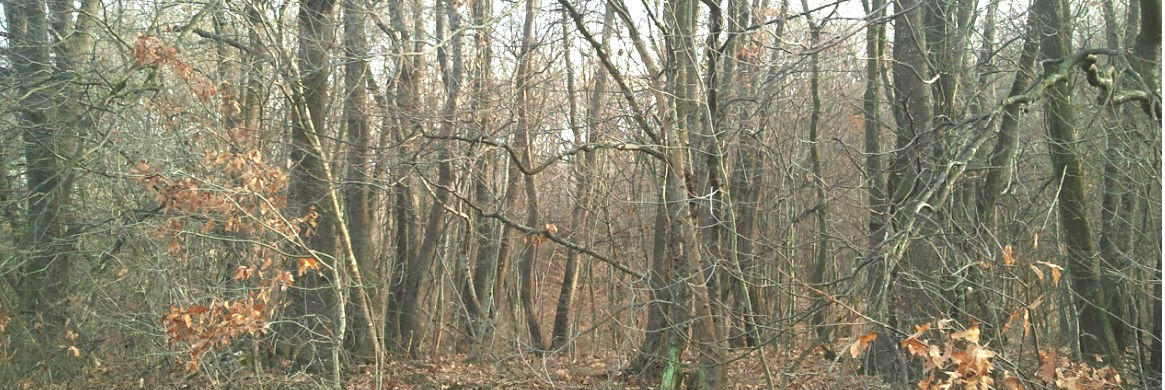
 it's our responsibility
 -



 We strongly believe that this project will attract many nature lovers who will be glad to support us. Even the smallest contribution will be of great help.
 -
 Gary Snyder
 -
 Stay close to nature. It will never fail you.
About Forest getaway
Study nature, love nature, stay close to nature. It will never fail you
F
orest Getaway is a non-profit organization working to conserve key wildlife populations across the project sites. Protection of the environment, the conservation of heritage, forest cleanup, and participate in a wildlife and wildfowl count are some of our core divisions. With a lot of passion and confidence Forest getaway is slowly turning the area into a nature park which not only will provide outdoor recreation and camping opportunities, but will be organizing classes and seminars specially to educate the children and students on the importance of conservation and the natural wonders.
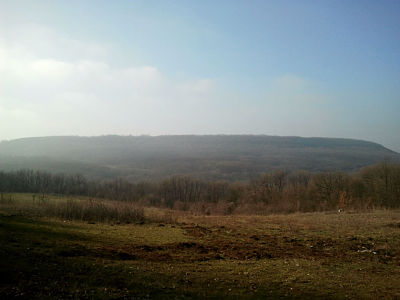
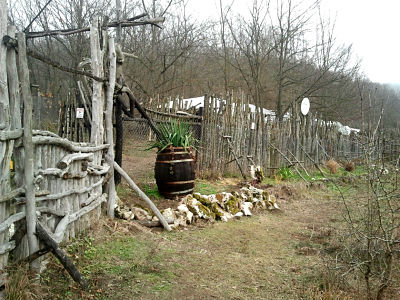
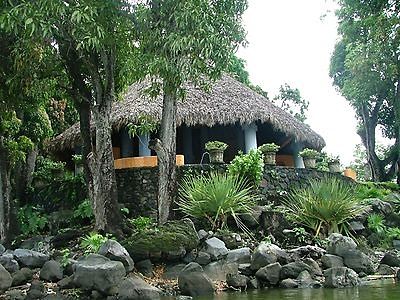
Features
Nowadays we all depend upon the economic and technology’s growth. We aim for best paid jobs and wealth creation. A nice job buys us a modern house in the city packed with all new hi tech tools. A nice job in the city allows us to go to a dream vacation. A nice job in the city gets us a fast new car to easily commute.
With that nice job we finally feel part of this modern world.The modern world of steel, glass and concrete. The modern world polluted from crowded traffic, factories,and population. The modern world where everyone is talking about "Going green" and 'Saving the environment" and "back to nature". Actually saving and connecting with nature is vital to our fast and stressful life.
Have you ever wondered what it might be like to be able to escape from the noise and the stress and be in an open space where things tend to be more calm and relaxed? The truth is that we are so used to that fast-paced life and even the lack of the ambient sound of traffic can be eerie. Connecting with nature is a learning curve. Connecting with nature is finding the balance. The balance between living in the modern without loosing the connection with the nature. It's challenging. But if this project can rise to the challenge, it has a very bright long-term future.
FAQ Toggle
-
What's an endangered animal?
A species whose numbers are so small that the species is at risk of extinction. Causes of endangerment may be
- Habitat Destruction
- Overexploitation
- Disease, pollution, and limited distribution
-
How to Help Endangered Animals?
Help threatened animals survive by protecting their habitats permanently in national parks, nature reserves or wilderness areas. There they can live without too much interference from humans. It is also important to protect habitats outside reserves such as on farms and along roadsides.
-
How to raise awareness?
Every life is important, and these animals need to be saved.
- Teach Your Community About Making a Difference
- Teach Your Community About Preventing Animal Cruelty
Conservation is about more than saving animals; conservation is maintaining habitats and changing opinions. Animals are primarily endangered by the actions of people, from deforestation to pollution and hunting. Wildlife tourism can have a role to play in stopping detrimental activities by increasing awareness and encouraging people to relish rather than ravish the natural environment.
Wildlife tourism can have a role to play in stopping detrimental activities by increasing awareness and encouraging people to relish rather than ravish the natural environment.
Activities
-
1. Conservation of species - Birds
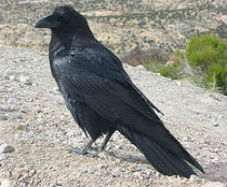
Forest Getaway's, efforts for the conservation of these species are mainly aimed at improving breeding habitats, restoration of destroyed and damaged habitats, protection of breeding colonies, regular monitoring, control of poaching, raise public awareness and promote conservation activities.
Many of the birds are endangered and their colonies are drastically reduced.
-
2. Habitat conservation
The main approach to the protection of the biodiversity and endangered species is the conservation and restoration of the habitat.
-
3. Forest Protection
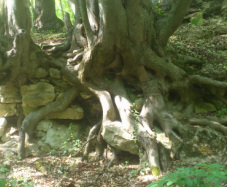
Forests are a refuge for populations of 43 globally threatened productive species of animals and plants. But these forest areas decrease at an alarming rate.
-
4. Conservation of species - Wild Animals
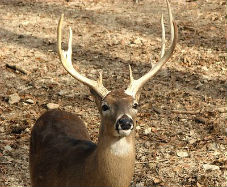
Protection of endangered species outside its natural environment - first aid, treatment and rehabilitation of wild animals.
Species
-
Birds
Nocturnal and diurnal birds
Nightjar, Tawny Owl, Woodpecker, Wood Warbler, Chaffinch, Nightingale, Wagtail, Wren, Jag, Magpie, Red-backed Shrike, Cuckoo, Stork
-
Wild Animals
Wild Animals
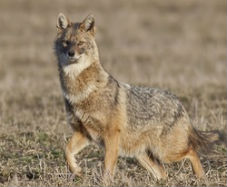
European Jackal - One Of The Rarest And Least Known Native Canids In Europe, Still Bulgaria Has The Largest Jackal Population.
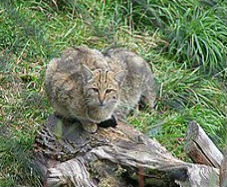
Wild Cat - Globally The Wildcat Population Is Decreasing, In Bulgaria It's Listed In The Red Book
-
Reptile
Snakes
Viperidae, Coronella austriaca, European adder
-
FLora
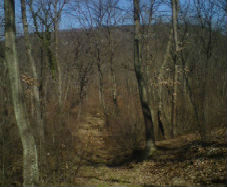
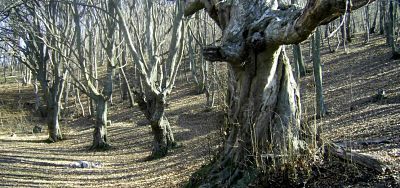
The forest
Clear, Beech, Oak